top of page

The Impact of Social Media on Mental and Relational Health:
Finding the Balance
In today's world, social media plays a significant role in the everyday life of many. With busy schedules and the prevalence of long-distance relationships, these platforms provide a valuable means to stay connected, discover new interests, and find opportunities. While social media can boast numerous advantages, however its impact on mental health and relationships is complex.
The Dual Nature of Social Media
Social media has the remarkable capacity to link individuals, creating a sense of community that transcends geographical boundaries. When used mindfully, these platforms can positively influence our mental health and relationships. Social media allows us to interact with friends, share life moments, and join online communities aligned with our interests, providing a sense of belonging. For those unable to meet face-to-face due to commitments or distance, social media serves as a vital link to strengthen our bonds.
However, the very platforms that have the power to bring us together can also make us feel more lonely and anxious. The key factor here is how we use social media. Relying too much on it —like checking it all the time because we're experiencing a fear of missing out (FOMO) or feeling cut off when we're not online—can negatively impact our mental health. For some, social media is a double-edged sword, bringing them closer to others and creating a sense of distance at the same time.
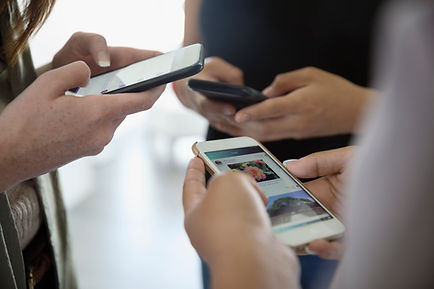
Social Media's Influence on Our Mental Health
Research indicates that social media can profoundly affect the mental health of younger people. The pressure to consistently present an idealised version of yourself online, coupled with the endless picture-perfect representations of others' lives, can make us feel jealous and insecure. Additionally, the non-stop flow of information - some of which may not be true or accurate – can add to stress and worry.
Social media itself isn't inherently harmful, despite how it is often portrayed in the media. How it affects you depends on how you use it. Research demonstrates that people who use social media to stay in touch, learn new things, and share ideas often have better experiences. For example, people who join online groups that offer support and encouragement often report feeling more connected and able to cope with challenges.
Ways in which social media can have a real-life impact on our mental health:
Isolation and Loneliness:
Whilst social media can create a sense of connection, it can also reinforce the illusion of one that can dilute the meaning and value of each interaction. Excessive use can therefore often result in feelings of isolation and loneliness.
Cyberbullying and Online Harassment:
Social media can provide a sense of anonymity and lack of real-life consequences that can increase the chance of negative interactions and harassment. Cyberbullying and harassment can lead to anxiety, depression and other mental health challenges.
Social Comparison and Envy:
With the sharing of a wide array of often idealised lifestyles and curated profiles being so accessible online, it is easy to form the habit of constant comparison to others, leading to feelings of envy or dissatisfaction with our own lives.
Self-Esteem and Body Image:
Comparing ourselves to curated online personas can negatively affect how we see our physical appearance. Social media images are often selected from many options or digitally
altered, creating an unreal, 'perfect' look that's impossible to attain in real life. These comparisons can harm self-perception, particularly body image, and may contribute to mental health challenges, such as eating disorders.
FOMO (Fear of Missing Out):
With comparison can also come fixation on what is missing from our lives. The constant feeling that others are doing and achieving more than we are can lead to feelings of anxiety, stress and inadequacy. Seeing the social lives and activities of those we know in our real lives posted can create the fear of being left out or not being included in their plans.
Addiction, Compulsive Use and Validation-Seeking Behaviour:
Using social media excessively can lead to addictive behaviours. This can contribute to issues such as procrastination, sleep problems and lack of engagement and presence in real-life interactions. Seeking validation through likes and comments can affect self-esteem and emotional regulation, making individuals dependent on social approval. This cycle reinforces compulsive use, making it harder to manage emotions and maintain healthy self-worth.
Relational Dynamics in the Digital Age
The relational aspect of social networks is equally important. While these networks can bind people together, they can also lead to a gap in actual interactions. Often, the urge to interact on the web can be so compelling that it disrupts meaningful face-to-face engagement with people, which can cause relationships to feel shallow and ambiguous. Over time, even close bonds may deteriorate, since partners, friends, and family may feel unappreciated when competing for attention with a screen.
Furthermore, relying on instant messaging as a medium of communication can lead to misunderstandings. These messages are often short and lack the nuances of body language. This can lead to assumptions and confusion as the reader may interpret a message differently than the writer intended. Consequently, minor problems and disagreements can worsen and lead to undue pressure on relationships. When this occurs, it may be a good idea to send a voice note or have a quick phone call to clarify, or arrange to meet up, to reduce the likelihood of the issue worsening.
Relationship Conflicts:
There can be other unique impacts on our romantic relationships. Social media can trigger mistrust and jealousy, with seemingly endless options for connecting or interacting with other individuals through social media. Paranoia can arise in the ease with which this communication can be hidden and that it may not even result in a real-life interaction.
The often idealised and unrealistic content regarding relationships on social media can also create unrealistic expectations for what a healthy relationship involves. It can develop a sense of dissatisfaction in a relationship through comparison that may not have existed otherwise.
Additionally, social media and online dating apps can amplify fear of rejection and insecurity, further complicating romantic dynamics. The constant exposure to potential rejection or comparison to others can intensify self-doubt. Therapy can help address these challenges, developing healthier self-confidence and relationships.

If you find that using social media frequently leads to a worse mood, it may be helpful to explore the underlying reasons for this. You may be engaging in social comparisons, consuming too much negative news, or becoming overwhelmed by too many different forms of communication. In these circumstances, it may be worth taking a break from social apps and reconsidering how you use them.
Generally speaking, it's important to be mindful of the effect social media has on your psychological well-being. One way to do this is by keeping a mood-tracking diary or using an app. By regularly recording your emotional state before and after using social media, and what you used it for, you can learn more about the connection between your online habits and your well-being. For example, if you feel fulfilled by using it to connect with friends but find yourself doom-scrolling and note a negative impact from this, being more conscious of it may help you change how you engage with social media.
Mindfulness about the impact of social media on psychological well-being is essential. Keeping a mood-tracking diary or using an app to record emotional states before and after social media use can reveal patterns. For instance, if connecting with friends leads to fulfilment but doom-scrolling results in negativity, being more conscious of these interactions can guide healthier engagement.
LONGER FORM CONTENT WRITING SAMPLE (ARTICLE)
Content Writing Sample
Not quite what you're looking for? I also write other forms of content, including: Internal communications, Marketing copy, Web copy, Newsletters, Training materials, Social media posts, Adaptation of complex written topics for general audience, and Writing and proof reading of formal copy for publishing.
The Empowering Potential of Social Media
Despite these challenges, social media has the potential to be a beneficial aspect of relational health management. When used thoughtfully, it allows us to keep in touch with others, catch up with friends in different locations and even meet people that we would likely never meet otherwise. Social media can also be a valuable resource for individuals in need of information or assistance, offering access to support groups, mental health resources and professional networks.
Additionally, some unique features of social networks encourage users' creativity and provide inspiration. Many professionals, artists and creatives find fulfilment and networks by sharing their work and processes with their audience, which can be empowering and even lead to work opportunities. For individuals residing in rural regions with limited local prospects, these forums can open doors to connections and possibilities that would have been difficult to obtain otherwise.
Striking a Balance: Healthy and Mindful Use
In light of social media's complex impact on relational and mental health, its use requires a carefully considered approach. Establishing defined boundaries around the duration you spend on social media and the types of material you access and engage with within this timeframe can be very beneficial. For instance, taking regular breaks from social media, focusing on real-life communication rather than virtually, limiting the types of accounts and number of people you follow, and the depth of relationship with them online can have a great impact.
If certain accounts' content makes you feel insecure, it may be a good idea to limit how much you look at their content or unfollow them altogether. Similarly, if you use social media to regularly check in on people you are no longer in contact with, regardless of who ended the relationship, this can be unhealthy and lead to emotional distress.
How Can Therapy Help Manage the Impact of Social Media?
Digital Detox and Mindfulness
Psychotherapists might advocate periods of “digital detox”, allowing a mental break from social media so that the relationship with it has the chance to be reassessed. They might guide an individual in mindfulness practises to help them in reconnecting to themselves and the present moment. The aim is to reduce stress linked to constant social media engagement.
Setting Boundaries
Therapy can help individuals to develop healthier habits and boundaries in their social media use and consumption, so that a sense of balance within their real lives can be achieved. Setting boundaries with social media use can assist both in a personal and relational context, including romantic relationships.
Dealing with Feelings of Isolation
When overconsumption of social media begins to create a constant feeling of isolation, seeking counselling could help encourage healthier forms of social interaction and real-world relationships.
Tools to Address Online Harassment or Bullying
Mental Health professionals can help develop the tools needed to process emotions and deal with the effects of negative experiences and interactions that can occur through social media.
Combating Comparison and FOMO
A therapist can help build self-compassion and resilience to raise self-esteem and counter the negative effects of social comparison.

Through social media, people can grow positively or negatively in themselves and their interpersonal relationships. There is no one simple answer to this ongoing dilemma, which impacts countless people worldwide. However, mindful use of social media is essential. It enables the intentional use of the platforms with beneficial outcomes. Striking a balance between online and in-person social engagement grants us an opportunity to enjoy the positive aspects of social networks while reducing their negative impact, resulting in healthier interactions, both online and offline.
Therapy: a supportive resource
For those who find it difficult to engage in social media in moderation and practice self-care, consulting an experienced counsellor or therapist can be invaluable. Whether you need support establishing limits around your online use or managing the emotions that arise after online interaction, a therapist can offer valuable guidance. An integrative therapist can help you understand the root causes of excess use and explore any negative core beliefs which aspects of social media may trigger. Seeking and accepting help is not a sign of weakness, but rather a proactive step towards better mental and relational health.
bottom of page